
The projects on this page contain completely different environments, platforms, and pressures but show only one builder. I have always seen the world in systems, as a set of governed inputs and outputs. My ownership of a $7B corporation's enterprise platform refined and formalized that craft but it is something I have used my entire life.
I have always been able to see systems from the perspective of the user, whether building those systems for myself or someone else. This perspective has allowed me to build anticipatory systems, creating governance not just around what the system needs to achieve but around what the user may want to do to achieve it. These projects show how the systems I create hold up across a wide spectrum of scenarios, from corporate projects where governance includes managing stakeholder expectations, to AI builds where the majority of the governance is established to maintain context and regulate drift.
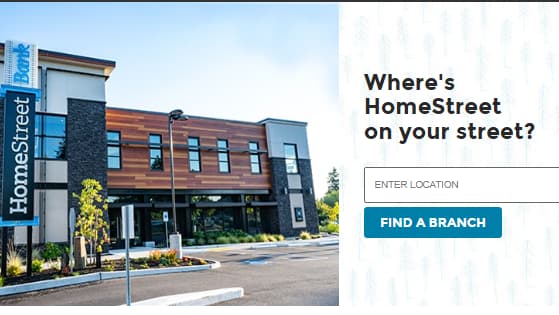
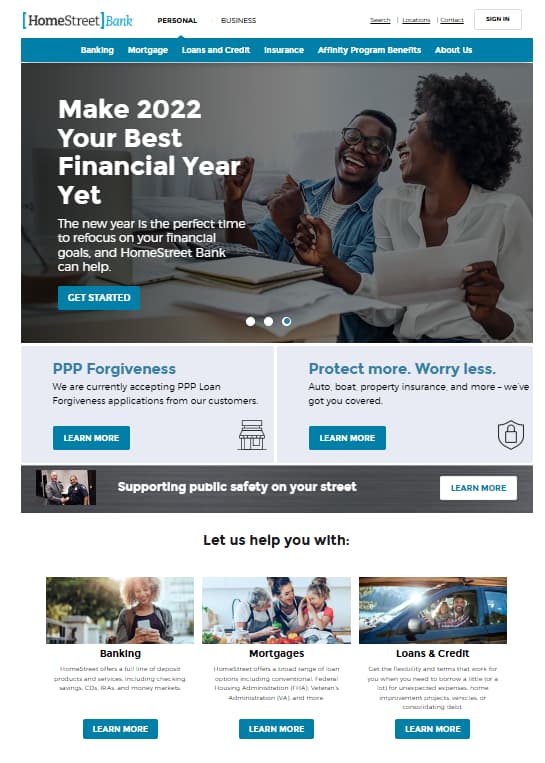
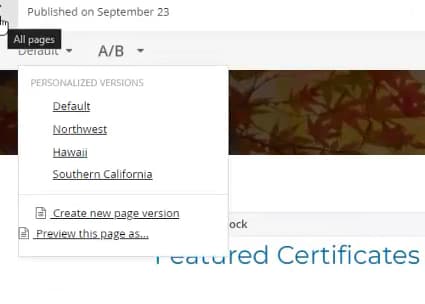
I completed a full CMS and DXP migration as part of a three person internal team, from vendor selection through go live. When I finally got the keys it was my responsibility to keep history from repeating itself. The legacy platform had failed not because of the technology but because there were no governance systems, limited procedures, and no true administration holding it together.
As part of the migration team, and having worked on the predecessor platform, I had the opportunity to build procedures and governance not just around what the system needed to achieve but around what had broken the old one. That started with understanding what each line of business expected from the website, which allowed me to design workflows around individual needs rather than a single system built to serve everyone the same way. Global limitations were set proactively and expectations were established before requests came through the door, preventing the need for custom work and keeping the platform from being pulled in competing directions simultaneously.
It was those procedures and systems that made it possible to be the sole internal operator of a website receiving around 100,000 monthly visits for a $7B financial institution. Not just maintaining standards but transitioning the platform toward growth, with structured testing and analytics, quick turnaround on campaign and splash pages, and continuous improvement in SEO and ADA performance.
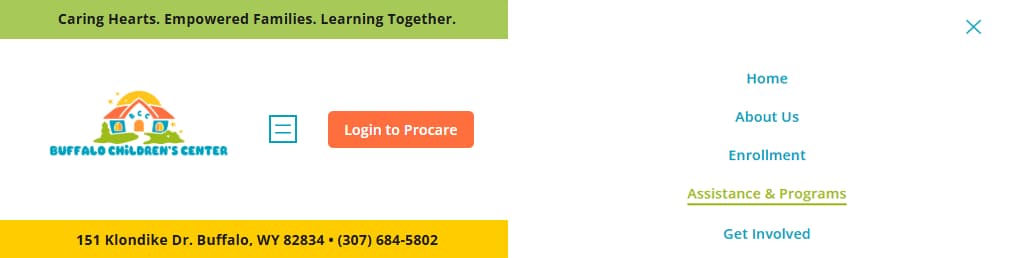
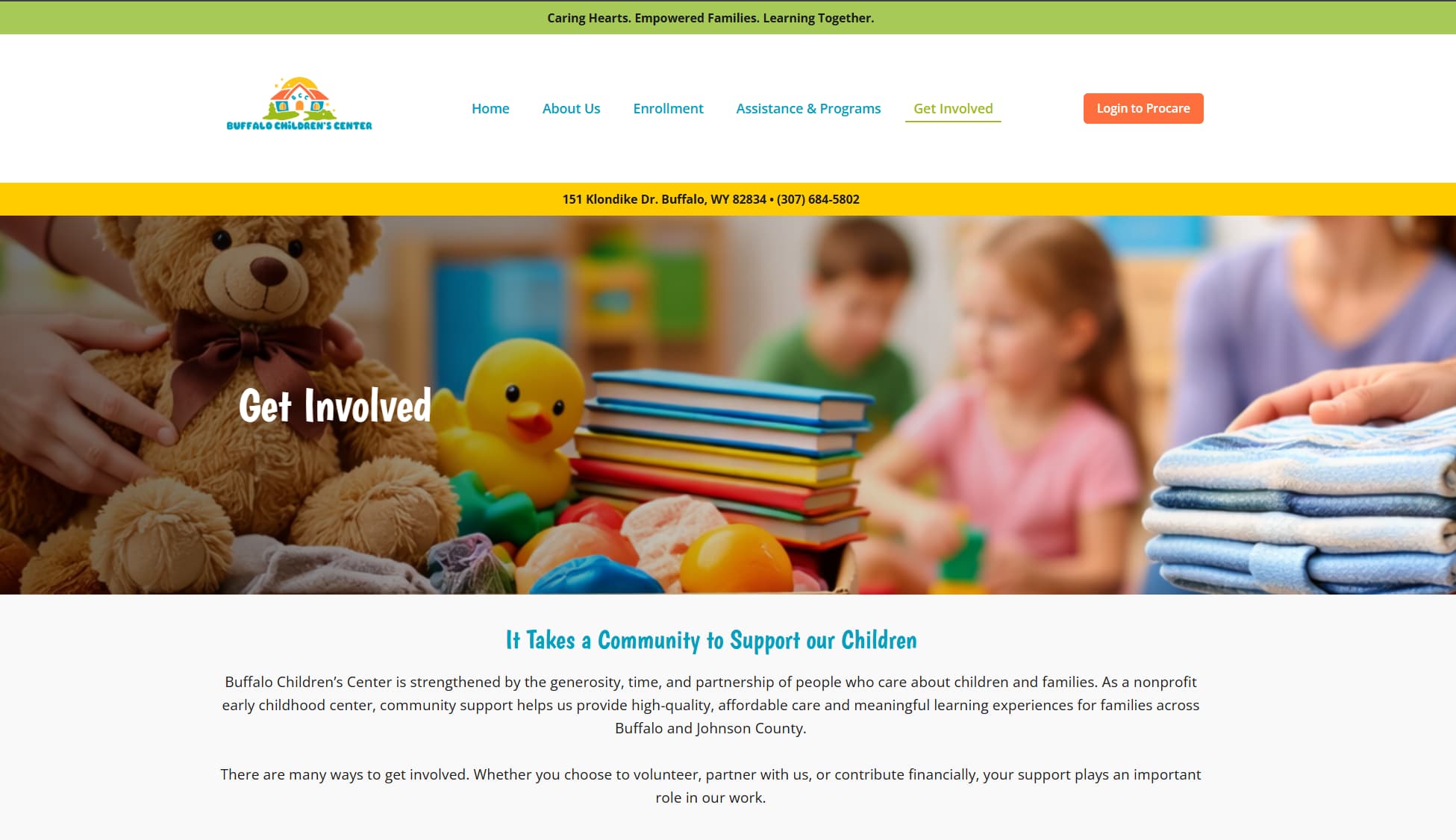
Contracted to deliver a complete digital presence for a nonprofit childcare center reopening after organizational closure. Working without a development budget or prior hands on experience with the platform, I designed and applied a governance system that allowed me to select, learn, and build on a new CMS while maintaining a deadline tied to the center's reopening. The result was a lightweight templated system non-technical staff could own and manage independently from day one, with a full SEO implementation, Google Analytics, and Search Console suite configured and verified at launch. The site ranked in top results for Buffalo Wyoming childcare within days of going live.
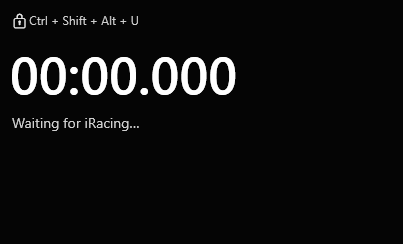
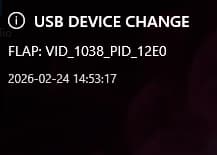
These two applications exist because I had a problem and a system I wanted to test. The iRacing Stint Timer hooks into the iRacing telemetry API to automatically track stint times from pit exit to jack up, recording multiple consecutive stints and displaying previous times without manual input. The USB Detection Overlay monitors USB connection events and surfaces them as an in-race overlay, logging disconnections for post-race review.
What these builds actually demonstrate is not the applications themselves. Both were built in a language I have never written using an AI governance methodology I designed specifically for this kind of work. The system starts with a governed brainstorm session that compiles into a living document, develops into a north star outlining platform, build order, and existing resources, then divides each phase of the build into separate conversations with distinct governance rules, context management protocols, and drift prevention built in. Each conversation produces a transfer document that feeds the next. Nothing moves forward until it audits clean against the north star and the sections that came before it.
The AI governance system used for these builds was designed specifically for the stint timer project. But because it worked so well and was built to be agnostic I used the same methodology for the USB overlay without modification. That same foundational thinking was then expanded and formalized into the governance framework used across the entire CFA design and build.